Hawai'i Island, United States
Kona
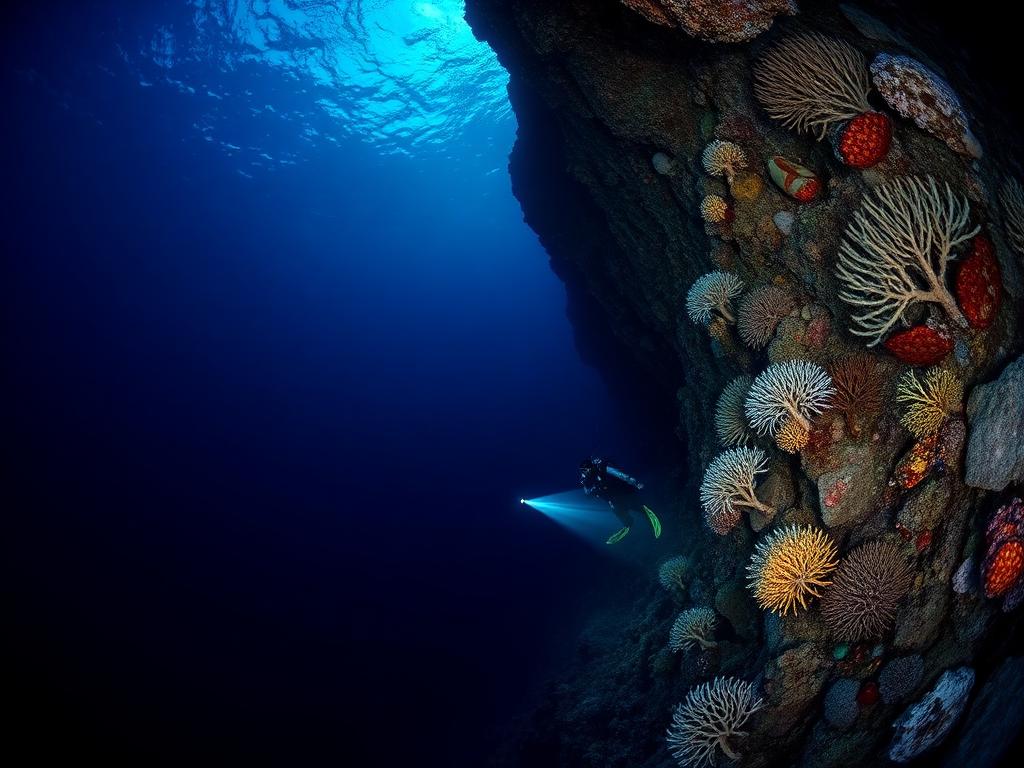
Leeward coast of Hawai'i Island with steep volcanic drop-offs close to shore, a long-studied resident reef manta aggregation fed by nightly dive lights, open-ocean blackwater diving, and the highest rate of marine endemism of any reef system.
- Reef manta ray
- Night dives
- Blackwater
Season
- Best months
- Best May–Oct
- Minimum cert
- Open Water
- Water
- 24–27°C
- Current
- mild
For your trip
How Kona fits your trip
When
My cert
On my mind
Pick a month and your certification to see how Kona fits — what works, and what to watch for before you book. Add what's on your mind and the record's own words on it appear here.
Where Claude is switched on, what you type is sent to Anthropic to be read. Sightline doesn't keep it.
Season
When this place works
Leeward coast, sheltered by the volcano. Diveable close to every day of the year. Winter swell restricts shore entries but not boat operations.
Why dive here
What this place is known for
 01night
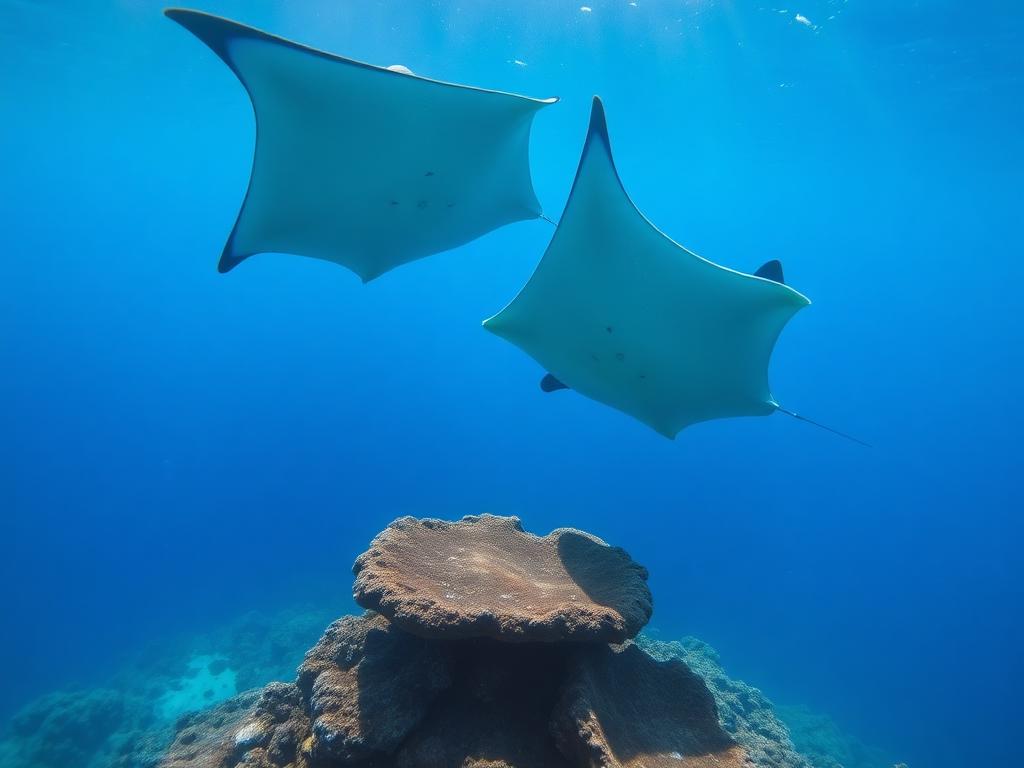
Manta ray night dive
Divers and snorkellers sit around downward-facing lights that concentrate zooplankton; mantas barrel-roll through the column. Two sites: Garden Eel Cove north of the airport, and Keauhou to the south. A 13-year citizen-science dataset logged over 23,000…
 02blackwater
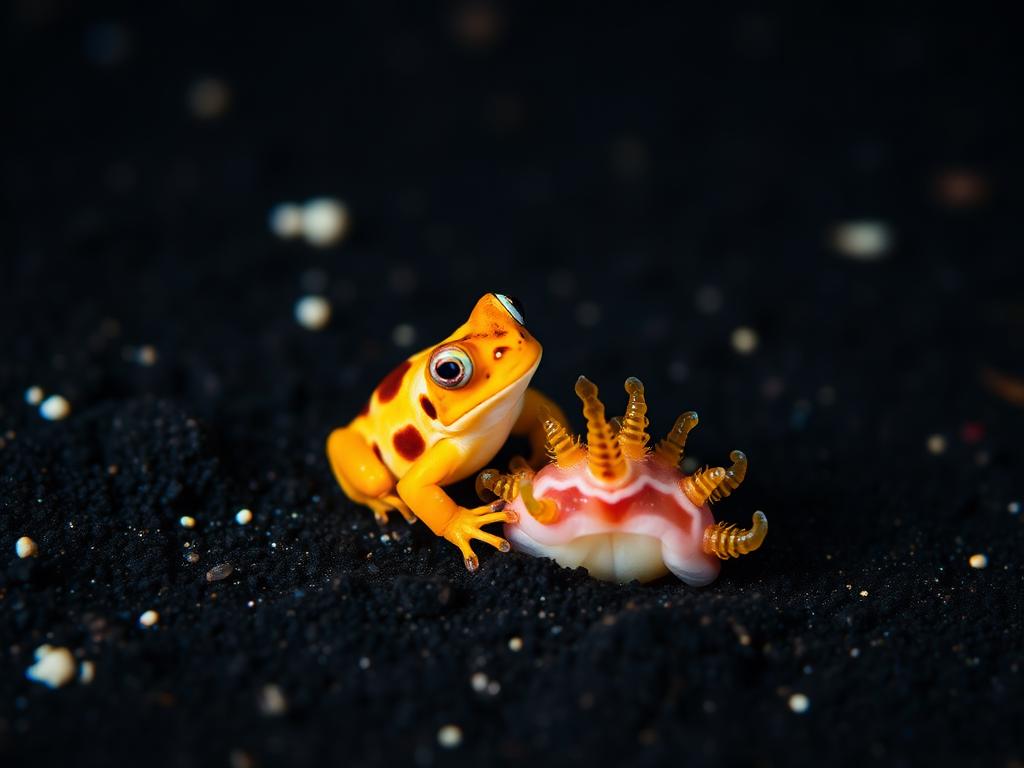
Blackwater diving ('Pelagic Magic')
Surprise relative to the headline: Kona is where recreational blackwater diving was commercialised, and it remains one of the few places running it as a scheduled charter rather than a special request. Divers are tethered over deep open water at night to…
 03reef
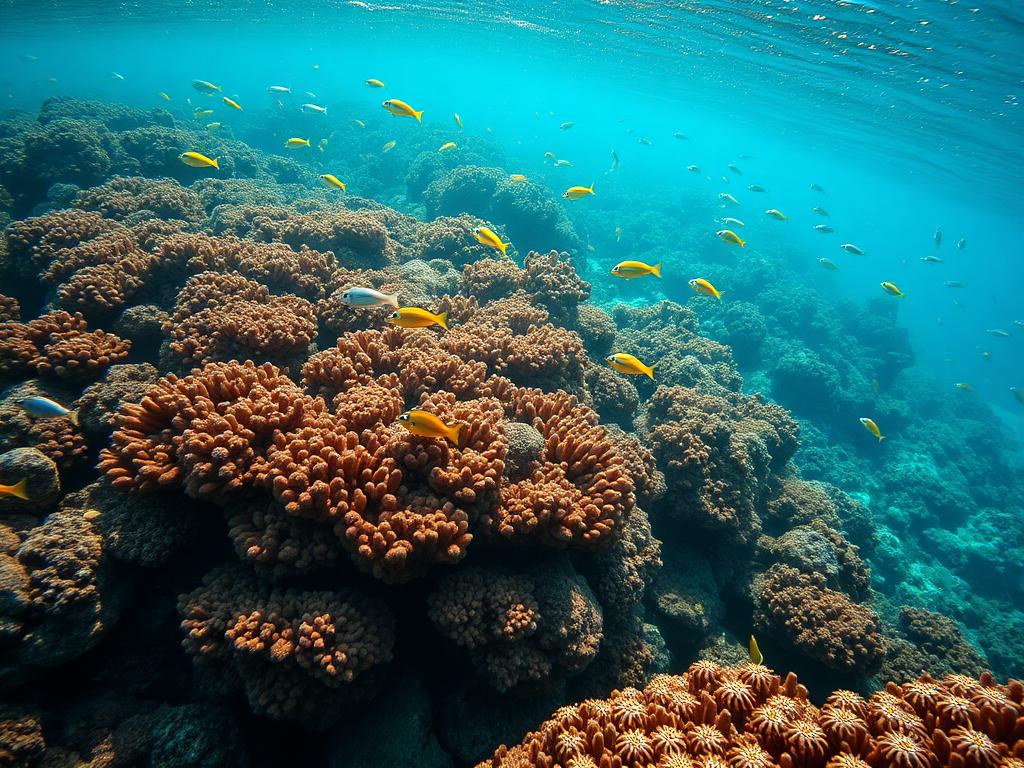
Endemic reef fish
Surprise relative to the headline. Hawai'i has the world's highest rate of endemism for reef fish and invertebrates; roughly a fifth to a quarter of the reef fish you see exist nowhere else. Kona is the only place to see a male flame wrasse displaying. Nobody…
Marine life
Twelve-month species timelines
Aggregation size tracks zooplankton density rather than a calendar season, so 'year-round' is accurate but night-to-night counts swing widely, from one animal to thirty-plus. Keauhou is used…
Roughly half the North Pacific population winters in Hawaiian waters. For divers this is an acoustic experience: song is audible on almost every dive in season. In-water approach is federally…
Turtle Pinnacle is a cleaning station and the most consistent site.
Hawaiian endemic. Males display on deeper rubble slopes. The single best example of what Kona offers that no other destination can.
Resident pods rest in leeward bays during the day. Encounters are typically from the boat or in passing, not sustained. Approach is federally restricted; confirm current rules with the operator.
Conditions
What the water is like
Water temp
24–27°C
15°C — 32°C
Visibility
22–30 m
0 m — 40 m
Current
mild
mild — strong
Thermoclines
Not typical
unlikely
Minimum certification — Open Water
Among the least demanding conditions in this dataset: minimal current, warm water, short boat rides, diveable most days of the year. Blackwater is the exception and requires comfort with no bottom reference, no visual horizon and a tether,…
Entries — shore, boat
Logistics
How people dive it
3-10 days
scuba
Standard two-tank morning boat plus an optional manta night dive. Boat rides are short, 20-45 minutes, with small groups.
1-10 days
scuba
Multiple viable shore entries along the Kona coast. Summer swell is lower, which is the main constraint.
1 evening
snorkel
Format mismatch warning. The manta night is sold in two distinct products at very different prices: a scuba dive where you kneel on the…
Operators
Who to book with
Loading operators…
Sources
Where this comes from.
Know this place?
Spot something outdated, have local knowledge, or think something is missing?